Image
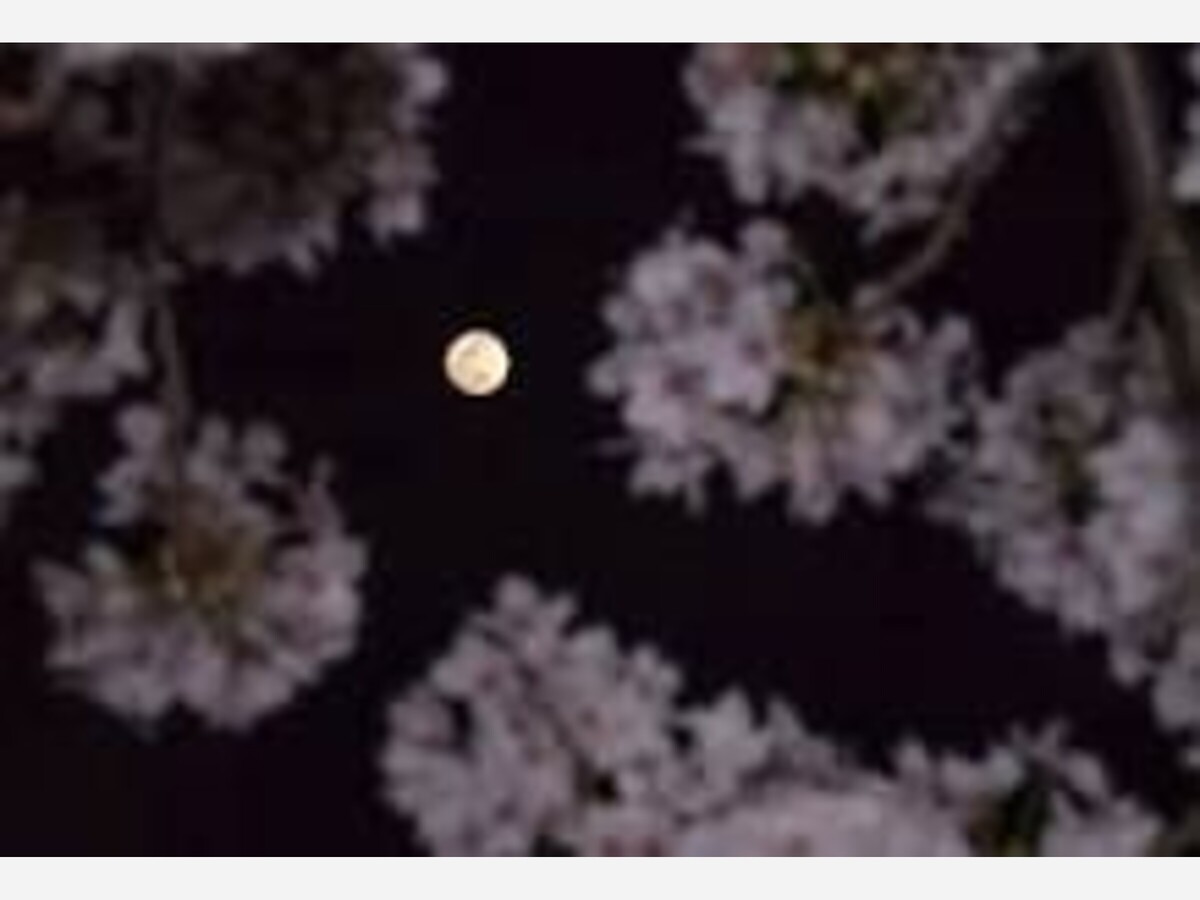



May’s night sky has been illuminated by the arrival of the Flower Moon, a celestial event that captivated stargazers around the globe and signaled the full bloom of spring. The full moon reached its peak brightness at 12:56 p.m. ET on May 12, but continued to appear full and radiant for several nights, offering a prolonged spectacle for astronomy enthusiasts and casual observers alike.
The Flower Moon, named for the abundance of wildflowers blossoming across North America and Europe during this season, is steeped in tradition. The Old Farmer’s Almanac began using the term in the 1930s, drawing from names given by Native American tribes, particularly the Algonquin, who recognized May’s full moon as a symbol of fertility and renewal. Other indigenous groups have their own names for this lunar phase, such as the Budding Moon, Planting Moon, and Egg Laying Moon, all reflecting the natural world’s awakening after winter’s chill.
This year’s Flower Moon was also notable as a micromoon-the third and final one of 2025. At a distance of nearly 252,000 miles from Earth, the moon appeared slightly smaller than usual, though its luminous presence was undiminished. The phenomenon of the “moon illusion” made the moon seem even larger and more dramatic as it rose low on the southeastern horizon, its golden glow blending with the colors of dusk.
Photographers and skywatchers around the world seized the opportunity to capture the Flower Moon’s beauty, framing it against city skylines, natural landscapes, and historic landmarks. The moon’s gentle light cast a silvery sheen across fields and gardens, highlighting spring’s vibrant blossoms and evoking a sense of wonder and renewal.
For those who missed the Flower Moon at its peak, the lunar display continued to enchant for several evenings, with the next full moon set to arrive on June 11. As May’s Flower Moon fades, it leaves behind a reminder of nature’s cycles and the enduring connection between the Earth and its closest celestial companion.



Patchy rain nearby, with a high of 69 and low of 57 degrees. Mist during the morning, patchy rain nearby during the afternoon, overcast for the evening, mist overnight.