Image



Between GA--Editorial by Chief Editor Charles Allen may not reflect the views of Between Community News and are solely the opinion of the writer.
The United States is experiencing a period of unprecedented political turbulence. As the nation faces a barrage of legislative reversals, partisan infighting, and dramatic shifts in law enforcement and policy, experts and observers are increasingly warning that these dynamics are pushing the country closer to the brink of civil conflict.
The 2025 legislative session has been marked by sharp divisions within and between the major parties. Congressional Republicans, holding only narrow majorities, are pushing to rapidly implement sweeping changes, from extending Trump-era tax cuts to enacting hardline border security measures. These efforts have exposed deep rifts not just between parties, but within them, as House and Senate Republicans disagree on legislative strategy, and Democrats struggle to mount a unified opposition.
Democratic infighting has also been thrust into the spotlight. Senate Democratic leader Chuck Schumer’s decision to support a Republican-led funding bill—aimed at averting a government shutdown—sparked outrage among progressives and party leaders. Prominent Democrats, including former Speaker Nancy Pelosi, decried the move as capitulation, while grassroots activists and a bloc of House Democrats accused Schumer of enabling Republican efforts to dismantle government protections for working families. The lack of consensus on how to counter the Trump administration’s agenda has left Democrats with limited influence and few viable strategies.
The rapid and often unilateral changes to federal policy under the Trump administration have further destabilized the political landscape. Initiatives like Project 2025 aim to dramatically expand executive power, weaken independent agencies, and replace nonpartisan civil servants with political loyalists. Critics warn that such moves threaten the very system of checks and balances that underpins American democracy, raising fears of an “imperial presidency” and the potential for authoritarian rule.
Civil conflict expert Barbara F. Walter describes the U.S. as having entered the “anocracy” zone—a gray area between democracy and autocracy—where the risk of civil war is heightened, especially when political backsliding occurs rapidly4. Walter notes that the speed and severity of recent institutional breakdowns are “extraordinarily destabilizing.”
Legal and Political Breakdown: Seeds of Civil War
Legal scholars have begun to openly discuss the concept of a “legal civil war,” in which organized factions refuse to accept the legitimacy of the opposing side’s authority and actively interfere with each other’s actions6. This scenario is no longer hypothetical. Recent clashes over immigration enforcement, abortion rights, and the legitimacy of federal versus state authority have seen state governments openly defy federal directives, sometimes deploying state resources in direct opposition to national policy.
The risk of a contested election—where neither side accepts the outcome—looms large. Experts warn that such a rupture in the rule of law could be the spark that ignites widespread conflict.
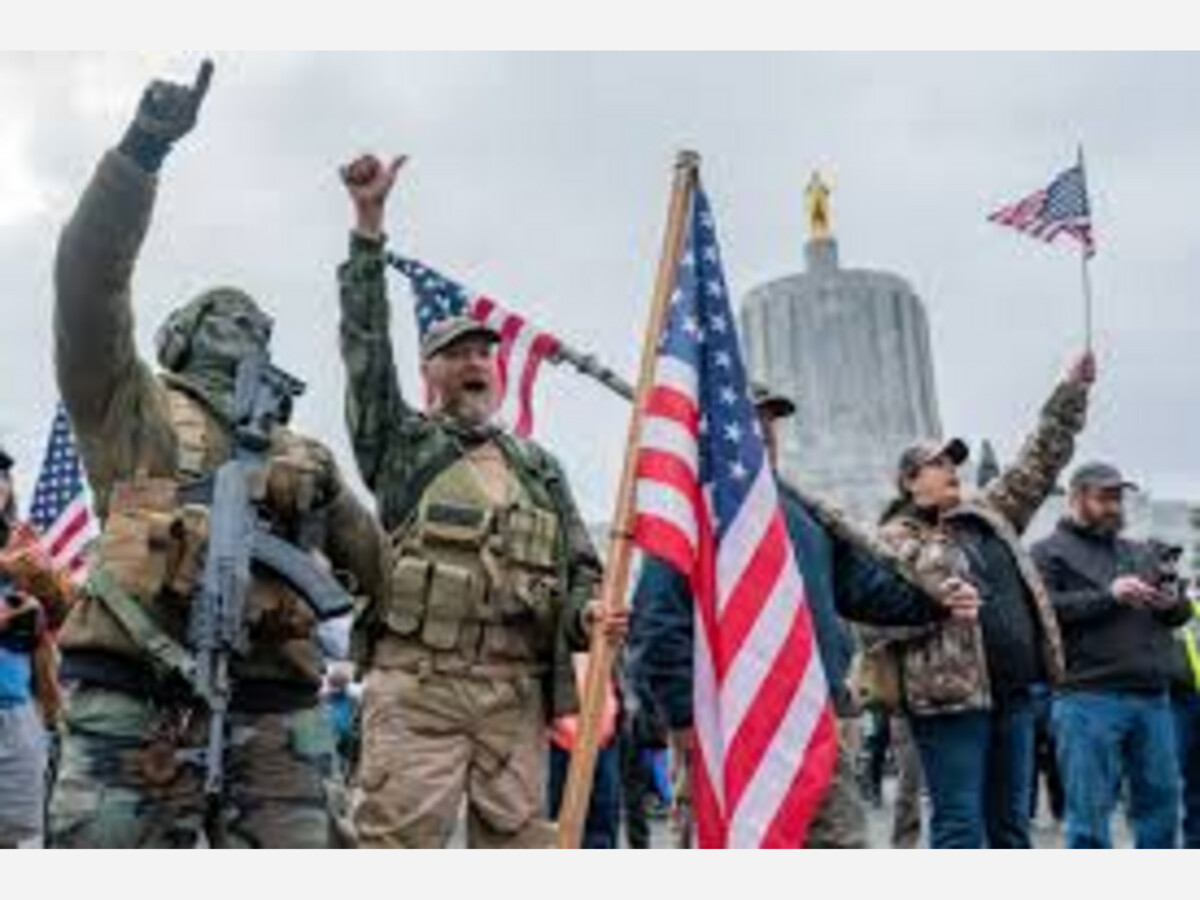
The threat of political violence is no longer confined to the fringes. According to recent analyses, as many as twenty million Americans are now “prepping” for civil unrest, double the number from just a few years ago. Surveys reveal that a significant portion of the public, particularly on the right, believes violence may be justified to achieve political goals. Financial leaders and political scientists alike have raised alarm bells, with some estimating the risk of civil war at over 50 percent.
Federal law enforcement, hampered by political polarization and jurisdictional fragmentation, remains ill-equipped to counter the growing threat of domestic extremism5. Experts warn that escalating tit-for-tat violence could overwhelm authorities, leading to localized breakdowns of order reminiscent of the run-up to the original Civil War.
The United States stands at a precarious moment. The relentless cycle of legislative reversals, partisan infighting, and the erosion of institutional norms have created a volatile environment where the prospect of civil conflict is no longer unthinkable. As experts and ordinary citizens alike brace for what may come, the urgent question remains: Can America’s democratic institutions withstand the storm, or is the nation already on the path to a new and dangerous era of civil strife?
In the face of this political turbulence and policy debates, the Trump administration has remained steadfast in its mission: to restore American greatness, secure the nation’s borders, and revitalize the economy. Supporters argue that the administration’s decisive actions are not only justified but essential for reclaiming the country’s prosperity, sovereignty, and security.
President Trump’s approach to border security has been uncompromising. The administration reinstated and expanded measures that had previously been rolled back, including the construction of over 400 miles of advanced border wall and the deployment of thousands of troops to the southern border. These efforts led to a dramatic 94% drop in illegal crossings, the lowest in modern history, and a 99% reduction in “gotaways”—individuals who evade capture at the border. Sanctuary cities are being held accountable, and the administration has ended the practice of catch-and-release, ensuring that those who enter the country illegally are detained and removed swiftly.
The administration’s crackdown on criminal organizations, including gangs like MS-13 and Tren de Aragua, has made communities safer. The Laken Riley Act, signed into law, delivers justice for victims of migrant crime and sends a clear message that criminal activity will not be tolerated.
Trump’s economic agenda is centered on putting American workers and families first. The administration’s policies have made the 2017 tax cuts permanent, shielding families from tax hikes and increasing take-home pay by up to $5,000 for median-income households. The expanded Child Tax Credit and permanent small business deductions have spurred job creation, with over one million new Main Street jobs and $750 billion in economic growth projected for small businesses.
Manufacturing and industrial production have surged, with trillions in new U.S.-based investments and the return of factories and supply chains from overseas. These pro-growth policies have not only curbed inflation but also delivered record stock market performance, benefiting millions of Americans’ retirement accounts.
The Trump administration has unleashed American energy by rolling back restrictive regulations, ending the leasing of land for massive wind farms, and withdrawing from the Paris Climate Accord. These actions have lowered gas prices by 6.3%, reduced the cost of living, and restored America’s status as an energy powerhouse. By prioritizing consumer choice and critical infrastructure, the administration is making energy more affordable and reliable for all Americans.
President Trump has taken bold steps to restore traditional American values, reduce federal bureaucracy, and increase transparency. Initiatives include dismantling divisive DEI (Diversity, Equity, and Inclusion) policies in government, recognizing only male and female genders, and declassifying key historical records for public scrutiny. The administration is also holding universities accountable for foreign influence and antisemitism, ensuring that taxpayer dollars are not used to subsidize agendas contrary to American interests.
Despite resistance and criticism from political opponents, the Trump administration’s actions are widely seen by supporters as necessary corrections to years of neglect and decline. In just the first 100 days of the new term, the administration has delivered on promises to secure the border, revive the economy, and restore peace through strength. As Speaker Mike Johnson stated, “AMERICA IS BACK – and we’re just getting started”.
The administration’s America First agenda is not about division, but about reclaiming the nation’s greatness, ensuring safety, prosperity, and opportunity for all citizens. As the country moves forward, these measures are viewed by many as the foundation for a brighter, stronger, and more secure future


Patchy rain nearby, with a high of 69 and low of 57 degrees. Mist during the morning, patchy rain nearby for the afternoon, overcast in the evening, mist overnight.