59° and Overcast
Image
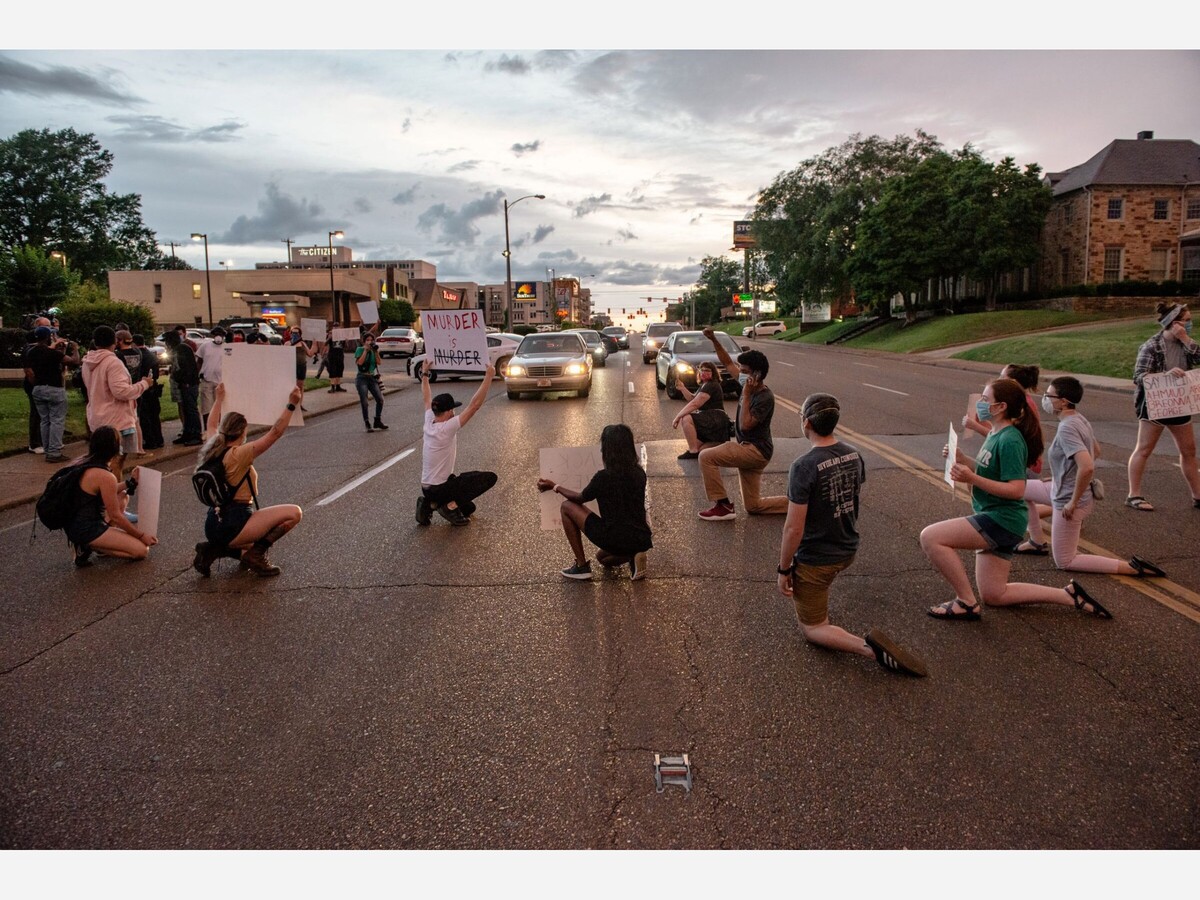



Florida Governor Ron DeSantis has ignited a national debate after stating that drivers in his state have the right to hit protesters blocking roadways if they feel threatened, asserting that such actions would not lead to legal repercussions for motorists acting in self-defense. The comments, made during an appearance on "The Rubin Report" podcast on Wednesday, come as protests against President Donald Trump’s immigration policies intensify across the country, with large-scale demonstrations planned for the upcoming weekend.
In his interview with host Dave Rubin, DeSantis outlined his position:
“If you’re driving on one of those streets and a mob comes and surrounds your vehicle and threatens you, you have a right to flee for your safety, and so if you drive off and you hit one of these people, that’s their fault for impinging on you. You don’t have to sit there and just be a sitting duck and let the mob grab you out of your car and drag you through the streets. You have a right to defend yourself in Florida,” DeSantis said.
DeSantis emphasized that Florida maintains a "zero tolerance policy" for protesters who block roadways, arguing that such actions are both illegal and disruptive to public life. He further warned that law enforcement in Florida would act swiftly to clear crowds and that those who block traffic would be held accountable.
DeSantis’ remarks reference the 2021 “Combatting Public Disorder Act,” a controversial law he signed that increases penalties for violent protests, criminalizes mob intimidation, and grants civil legal immunity to drivers who injure or kill someone while fleeing from protesters obstructing a roadway. While the law was challenged in court, the Florida Supreme Court upheld it in 2024, ruling that it did not infringe on the rights of legal protesters.
The law’s provisions mean that drivers who claim self-defense while fleeing a perceived threat from protesters blocking a street can avoid civil liability, though criminal charges could still be possible depending on the circumstances.
DeSantis’ comments arrive just before the “No Kings” protests, a series of nationwide demonstrations planned for June 14, organized in opposition to Trump administration immigration enforcement actions. Organizers have stressed that their events are intended to be non-violent and have provided de-escalation training for participants.
The governor’s remarks have drawn sharp criticism from civil rights groups and political opponents, who argue that such statements could incite violence and discourage lawful protest. The issue is particularly sensitive in the wake of the 2017 Charlottesville incident, where a white supremacist drove into a crowd of counter-protesters, killing Heather Heyer. Critics warn that Florida’s law and DeSantis’ rhetoric could embolden similar acts.
While DeSantis did not explicitly use the phrases “run over” or “drive over” protesters, his statements have widely been interpreted as condoning the use of vehicles against demonstrators in certain situations. Fact-checkers note that his comments were made in the context of self-defense and that he repeatedly stressed the right to flee if threatened.
The debate has spilled onto social media and into the broader political discourse, with supporters praising DeSantis for taking a hard line against disruptive protests, while detractors accuse him of undermining First Amendment rights and encouraging vigilantism
As Florida prepares for the upcoming protests, DeSantis has put state resources on alert and reiterated his administration’s commitment to maintaining order. The controversy over his comments and the underlying law highlights the ongoing tension between public safety, protest rights, and political rhetoric in a deeply polarized nation


Patchy rain nearby, with a high of 69 and low of 57 degrees. Mist in the morning, patchy rain nearby during the afternoon, overcast for the evening, mist overnight.