Image
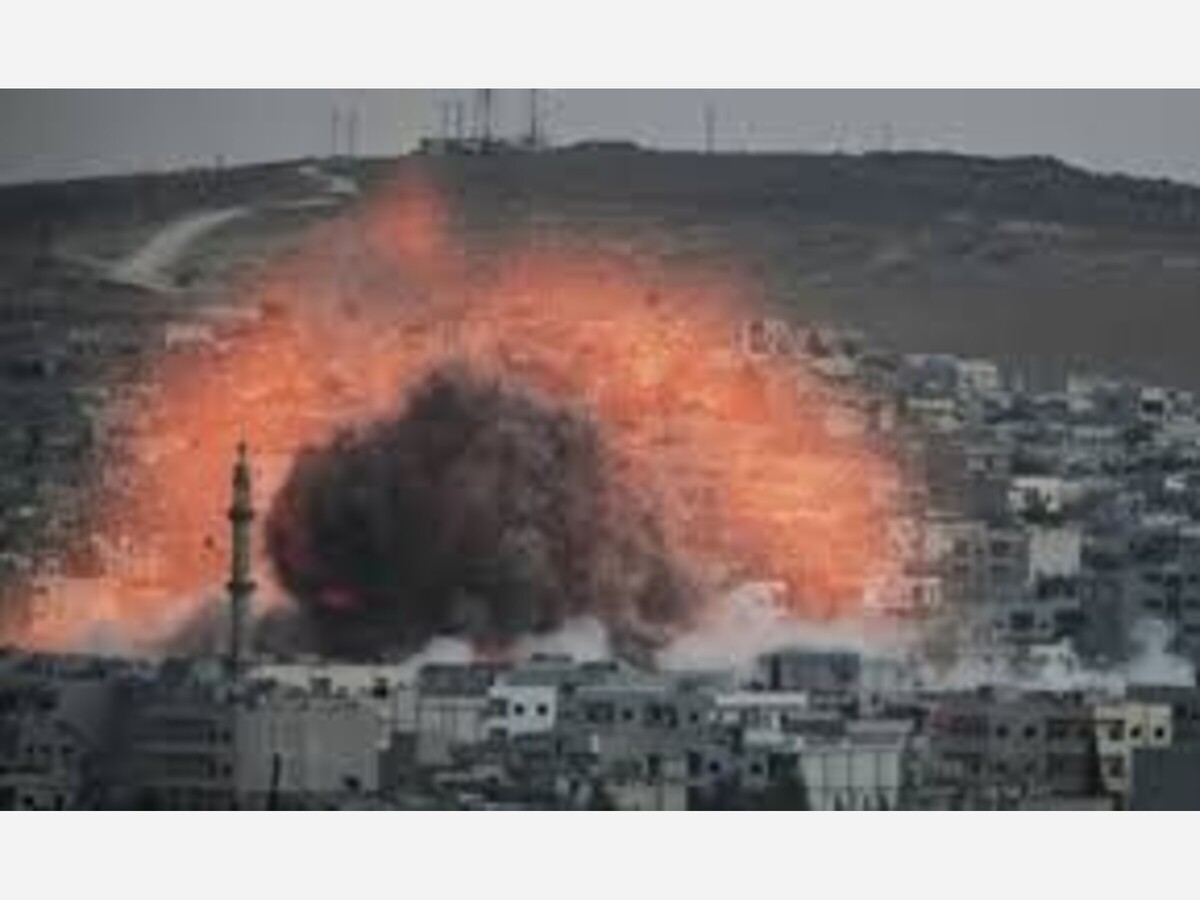



Washington, D.C., June 21, 2025 — The United States has carried out a series of airstrikes on three key nuclear facilities in Iran, marking a historic escalation in the ongoing conflict between Iran and Israel and drawing the U.S. directly into the confrontation for the first time.
President Donald Trump announced Saturday evening that U.S. military forces targeted Iran's Fordow, Natanz, and Isfahan nuclear sites in a coordinated air campaign. The strikes were executed using B-2 stealth bombers, which are capable of delivering massive, deep-penetrating munitions designed to destroy fortified underground facilities. According to the president, all American aircraft exited Iranian airspace safely following the operation.
The Fordow facility, a heavily fortified underground enrichment site, received the brunt of the attack, with a "full payload" of bombs deployed in an effort to cripple Iran's nuclear capabilities. The Natanz and Isfahan sites, both central to Iran's uranium enrichment efforts, were also struck.
President Trump framed the strikes as a decisive move to "obliterate Tehran's nuclear ambitions once and for all," emphasizing that the operation was focused solely on Iran's nuclear program and not intended as a broader military escalation. In his statement, Trump praised the U.S. military and called for peace, declaring, "NOW IS THE TIME FOR PEACE!".
White House officials described the strikes as "highly effective," with analysts noting that the administration sought to send a clear message to both Iran and regional actors that the U.S. would not tolerate further nuclear development by Tehran. The operation followed days of deliberation and unsuccessful diplomatic efforts, with Trump previously expressing a preference for a negotiated settlement if Iran agreed to halt all uranium enrichment—a demand Iran has repeatedly rejected.
Initial reports from Israeli officials indicate that the strikes resulted in the deaths of several high-ranking Iranian military leaders and at least nine nuclear scientists, in addition to significant damage to the targeted enrichment facilities. The full extent of the destruction is still being assessed, with U.S. intelligence assets now focused on evaluating the aftermath, particularly at the Fordow site.
This marks the first direct U.S. military action against Iran's nuclear infrastructure and the first American airstrikes on Iranian soil since the 1979 revolution. The move has dramatically heightened tensions in the Middle East, with fears of potential Iranian retaliation and further escalation across the region.
Iranian officials have vowed to respond, though the nature and timing of any reprisal remain uncertain. Analysts warn that Iran may attempt to accelerate its nuclear program in response to the attacks, depending on the survivability of its facilities.
The Arab League and other international actors have condemned the escalation, urging a return to diplomacy and warning of the grave risks posed by further conflict.
The U.S. strikes on Iran's nuclear sites represent a pivotal moment in the Middle East crisis, signaling a willingness by the Trump administration to use force in pursuit of nonproliferation objectives. As the region braces for possible retaliation and the world watches for the next move, the prospect of a wider war looms large, underscoring the urgency of renewed diplomatic efforts

Patchy rain nearby, with a high of 69 and low of 57 degrees. Mist during the morning, patchy rain nearby for the afternoon, overcast in the evening, mist overnight.