Image
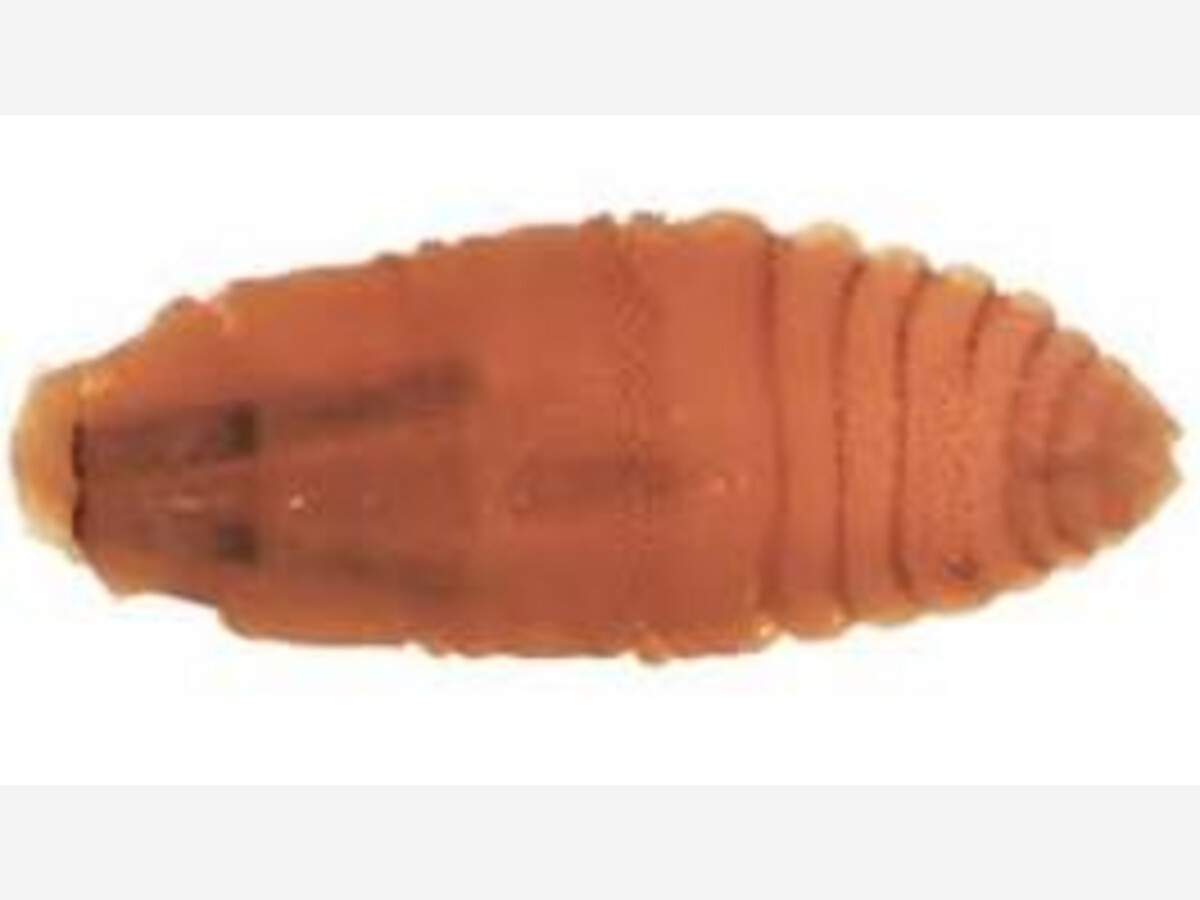



Between, GA : The New World Screwworm, Cochliomyia hominivorax, has once again made headlines following the recent confirmation of a human case in the United States. This flesh-eating parasite, long recognized for its devastating impact on livestock and wildlife, is a blowfly whose larvae feed on the living tissue of warm-blooded animals. Although previously eradicated from the U.S. through rigorous programs, the screwworm persists in tropical and subtropical regions, with outbreaks resurfacing in Central America and Mexico and now triggering renewed concern north of the border.
The latest infection arose in Maryland, carried back by a traveler returning from El Salvador. While risks to the general public remain low, the parasite’s capacity to cause severe tissue damage or death in untreated hosts makes its return a significant threat, particularly for agriculture. These flies lay eggs in open wounds or soft tissue; once hatched, the larvae burrow into the flesh, exacerbating the injury and attracting more flies. Rapid intervention is vital since untreated infestations can kill cattle and other animals within days.
In response to this resurgence, federal authorities have announced sweeping new control measures. Central to their strategy is the sterile insect technique, which involves releasing billions of irradiated, sterile male flies over southern Texas and Mexico. As sterile males mate with wild females, the resulting eggs fail to develop, thereby crashing the population. This method, first used in the 1960s, proved highly effective in driving the screwworm out of U.S. territory, but the speed at which eradication must now proceed is paramount as livestock industries face billions in potential losses.
Ranchers and animal health officials are watching closely, worried not only about economic losses but also animal welfare and food security. While insecticides have limited use against screwworms due to their wide host range and wildlife reservoirs, surveillance and removal of infested animals are critical tactics. Early detection by veterinarians, farmers, and wildlife managers offers the best hope for curtailing outbreaks before they escalate.
Despite the recent case involving a human, most infections still strike domesticated livestock and wildlife, underscoring the broad reach of the screwworm threat. As authorities ramp up defenses and research, the reappearance of this pest serves as a stark reminder of the importance of vigilance, innovation, and prompt action in protecting agriculture and public health from parasitic disease

Patchy rain nearby, with a high of 69 and low of 57 degrees. Mist during the morning, patchy rain nearby for the afternoon, overcast in the evening, mist overnight.