Image
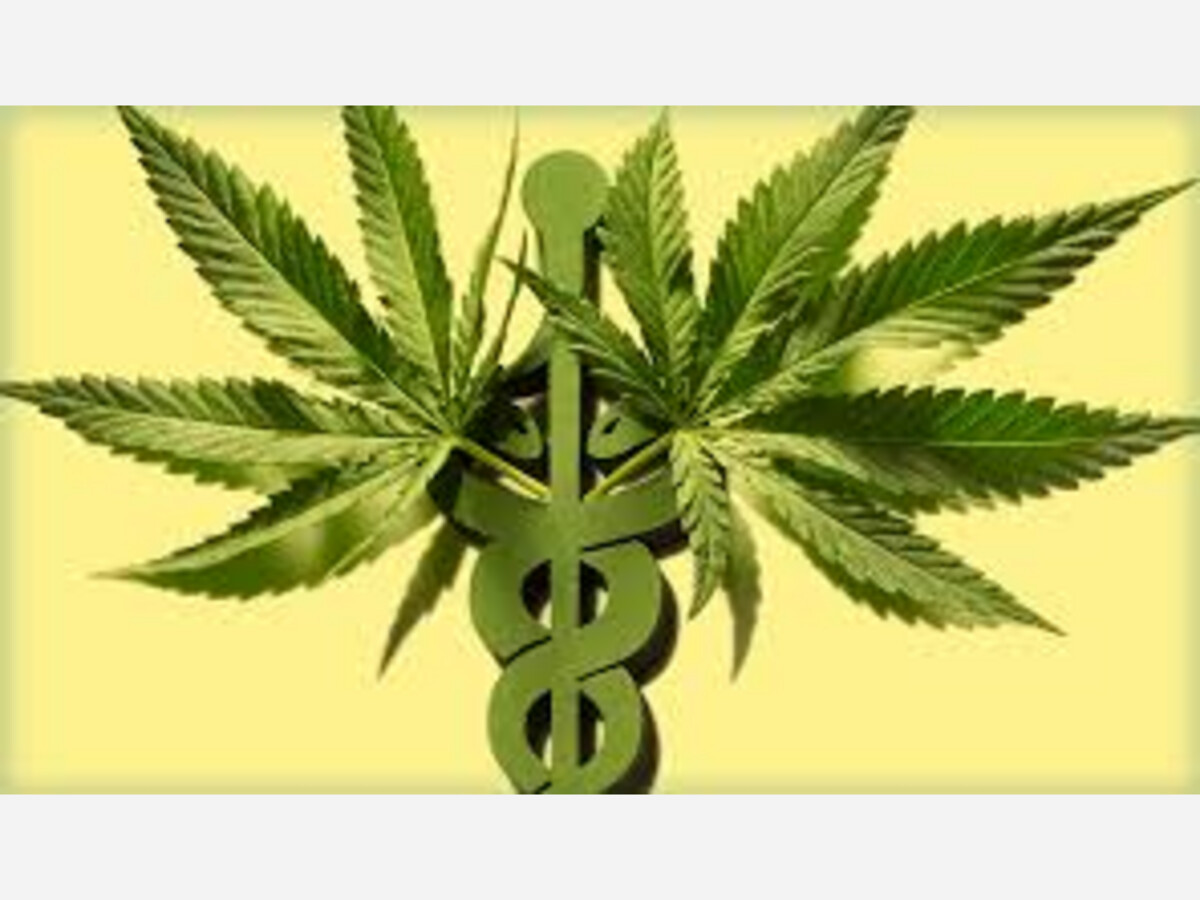



WASHINGTON, D.C. – Recent research continues to clarify the complex and often contradictory relationship between medical marijuana (cannabis) and cancer, highlighting its established role in palliative care while raising persistent concerns about the cancer-causing risks associated with smoking the plant. The core message from leading medical bodies remains consistent: currently, cannabis is not approved as a treatment or cure for cancer, but specific cannabinoid-based drugs are vital for managing side effects.
The scientific interest in cannabis stems from its active compounds, primarily cannabinoids like THC (delta-9-tetrahydrocannabinol) and CBD (cannabidiol). Laboratory and animal studies have generated intriguing results that show certain cannabinoids can inhibit cancer cell proliferation and growth, induce apoptosis (programmed cell death) in various tumor cell lines (e.g., breast, brain, prostate), and reduce angiogenesis, which is the formation of new blood vessels that tumors need to grow.
However, researchers stress that these findings are primarily from pre-clinical (lab and animal) studies and are not yet supported by large-scale human clinical trials showing efficacy as a cancer cure. The effects of cannabinoids are highly dependent on the type of cancer, the specific cannabinoid used, the concentration, and the presence of cannabinoid receptors on the tumor cells.
Despite the lack of evidence for treating cancer itself, the FDA has approved synthetic and cannabis-related drugs for managing severe side effects commonly experienced by cancer patients. Dronabinol (Marinol, Syndros) and Nabilone (Cesamet), which are synthetic versions of THC or THC-like compounds, are approved for treating nausea and vomiting caused by chemotherapy when other anti-sickness drugs have failed. Cannabinoids are also widely studied and used for treating cancer-related pain, particularly neuropathic pain, and for stimulating appetite to combat anorexia and cachexia (wasting syndrome) often associated with advanced cancer. These uses are considered supportive or palliative care aimed at improving the patient's quality of life during treatment.
While certain cannabis components show promise in cell culture, the method of consumption, specifically smoking, introduces significant health risks due to carcinogens. Cannabis smoke contains many of the same cancer-causing substances and toxins found in tobacco smoke. Furthermore, some studies indicate that cannabis smoke may contain up to twice the concentration of carcinogenic polyaromatic hydrocarbons compared to tobacco smoke. People who smoke cannabis often inhale more deeply and hold the smoke in their lungs for longer periods, which can increase the deposition of carcinogenic products in the respiratory tract. Epidemiological research on the direct link between cannabis smoking and cancer (such as lung, head, and neck cancers) is limited and conflicting.
The difficulty lies in isolating the effects of cannabis from those of co-used tobacco, as many users mix cannabis with tobacco or are also cigarette smokers. However, certain studies, particularly those involving long-term or heavy use, suggest an increased risk for specific cancers like testicular cancer and potentially some head and neck cancers. Medical professionals strongly recommend that patients use non-smoked forms of medical cannabis—such as oils, edibles, tinctures, or vaporized forms—to mitigate exposure to these known carcinogens.
The medical community emphasizes a balanced perspective. While patients may find significant symptom relief from cannabinoid-based therapies, they should be aware of the carcinogenic risks associated with smoking and understand that the current body of evidence does not support using raw cannabis or unapproved products as a primary cancer treatment. The future of cannabis in oncology lies in isolating and studying specific, purified cannabinoids in rigorous clinical trials, moving beyond the raw plant itself.

Patchy rain nearby, with a high of 69 and low of 57 degrees. Mist during the morning, patchy rain nearby during the afternoon, overcast for the evening, mist overnight.