55° and Clear
Image
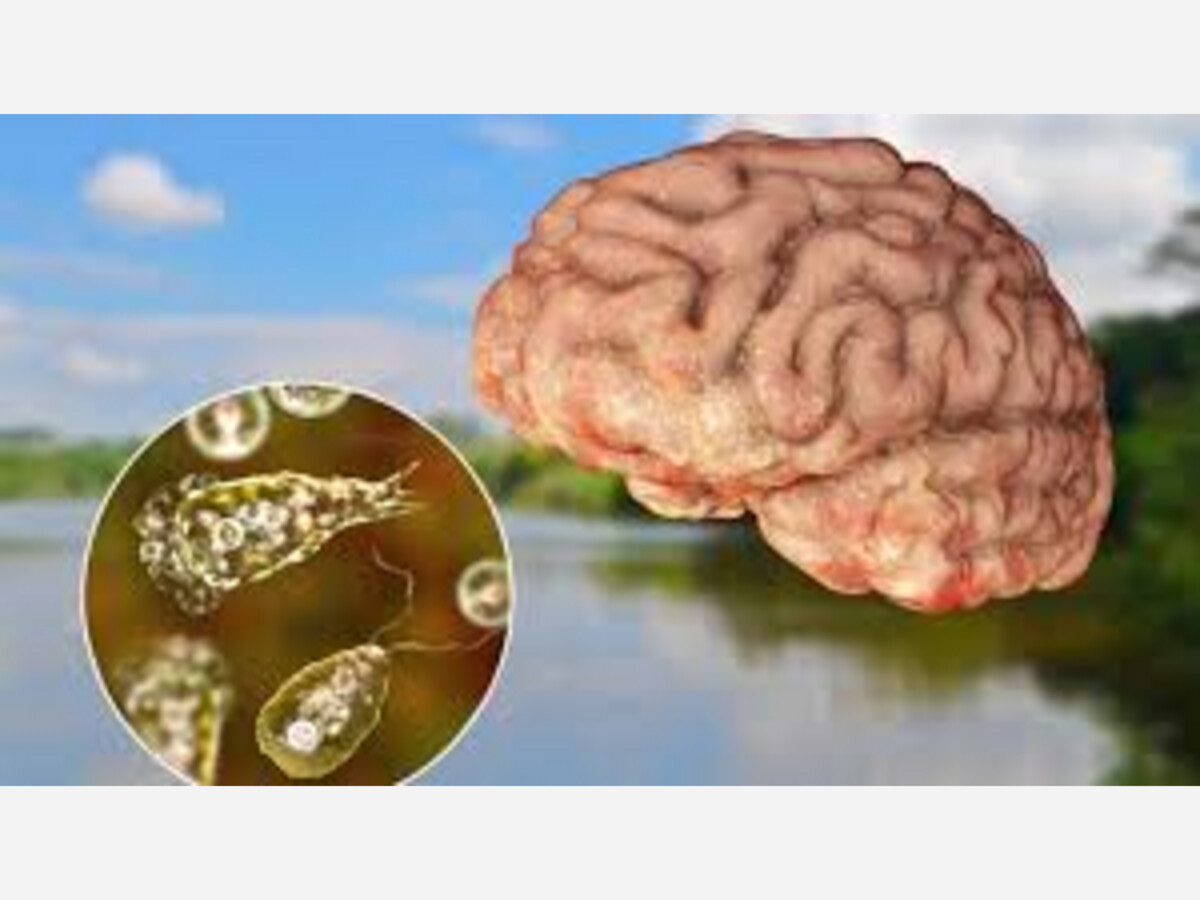



Between GA- The Chattahoochee River has long served as the environmental heartbeat of metropolitan Atlanta, drawing millions of recreational boaters, tubers, and anglers to its waters every year. However, beneath the serene, sun-dappled surface of this historic waterway lies a recurring, invisible public health hazard that transforms a refreshing summer escape into a high-stakes gamble with dangerous pathogens. The ongoing battle against Escherichia coli (E. coli) contamination in the Chattahoochee remains one of the region’s most persistent environmental anxieties, serving as a stark reminder of the fragile boundary between urban infrastructure and natural ecosystems.
While E. coli itself is a standard bacterium found naturally in the digestive tracts of warm-blooded animals, its presence in public surface waters is a direct, definitive indicator of fecal contamination. When concentrations spike, the river becomes a breeding ground for waterborne pathogens that can cause severe gastrointestinal illness, skin infections, and respiratory distress for unsuspecting swimmers. The federal Environmental Protection Agency establishes a strict Beach Action Value threshold of 235 colony-forming units per 100 milliliters of water for safe primary contact recreation. When water monitoring systems register numbers above this limit, the threat level shifts from negligible to a critical public health warning, signaling that the water is actively hazardous for human exposure.
The frightening reality of the river’s water quality was dramatically illustrated just days ago, right on the eve of the heavy Memorial Day holiday travel weekend. Following intense mid-week rainstorms that denched the Atlanta area, a catastrophic ecological event unfolded. The Chattahoochee Riverkeeper discovered a massive fish kill stretching an astonishing 20 miles along the river, beginning precisely where Peachtree Creek empties into the main stem near Vinings. Thousands of dead striped bass, catfish, carp, and shad were found floating along the banks, marking what environmental officials described as the most severe and unprecedented fish kill seen in the area in over two decades.
The underlying cause of this recent ecological disaster exposes the deep vulnerability of local infrastructure to sudden weather events. When heavy rains overwhelm metropolitan Atlanta's aging wastewater management systems, emergency infrastructure like the West Area Tunnel can overflow, discharging a toxic mixture of untreated sewage and highly polluted stormwater directly into major tributaries like Peachtree Creek. Environmental scientists noted that the massive influx of organic sewage triggered an immediate explosion of localized bacterial activity. As these microscopic organisms aggressively consumed the waste material, they rapidly depleted the river’s dissolved oxygen levels, effectively suffocating thousands of fish in a concentrated wave of pollution.
While immediate water testing by the Riverkeeper over the holiday weekend indicated that the popular, upstream recreational zones within the Chattahoochee River National Recreation Area remained surprisingly low in pathogens and safe for paddlers, the downstream stretch toward West Point Lake remained heavily impacted. The sudden volatility of the river highlights why real-time monitoring infrastructure, such as the U.S. Geological Survey’s BacteriALERT system, is vital for public safety. Routine testing at prominent downstream monitoring stations, like Paces Ferry and Powers Ferry, frequently records massive surges in estimated E. coli counts immediately following heavy storms, with levels occasionally skyrocketing well past 1,000 units during peak runoff periods.
This local struggle mirrors a broader, systemic challenge faced by urban waterways across the United States. According to national clean water advocacy groups, billions of gallons of untreated sewage and urban stormwater bypass aging municipal treatment systems annually due to structural deterioration and intensified storm patterns. As summer recreation peaks nationwide, public health officials continue to stress that water quality can degrade from pristine to dangerous in a matter of hours. For communities relying on the Chattahoochee River, the ongoing investigation into the recent mass die-off serves as an urgent wake-up call regarding the critical need for aggressive infrastructure upgrades and constant vigilance to keep this vital natural resource safe for generations to come.

Sunny, with a high of 71 and low of 47 degrees. Sunny in the morning, clear during the afternoon and evening,