Image
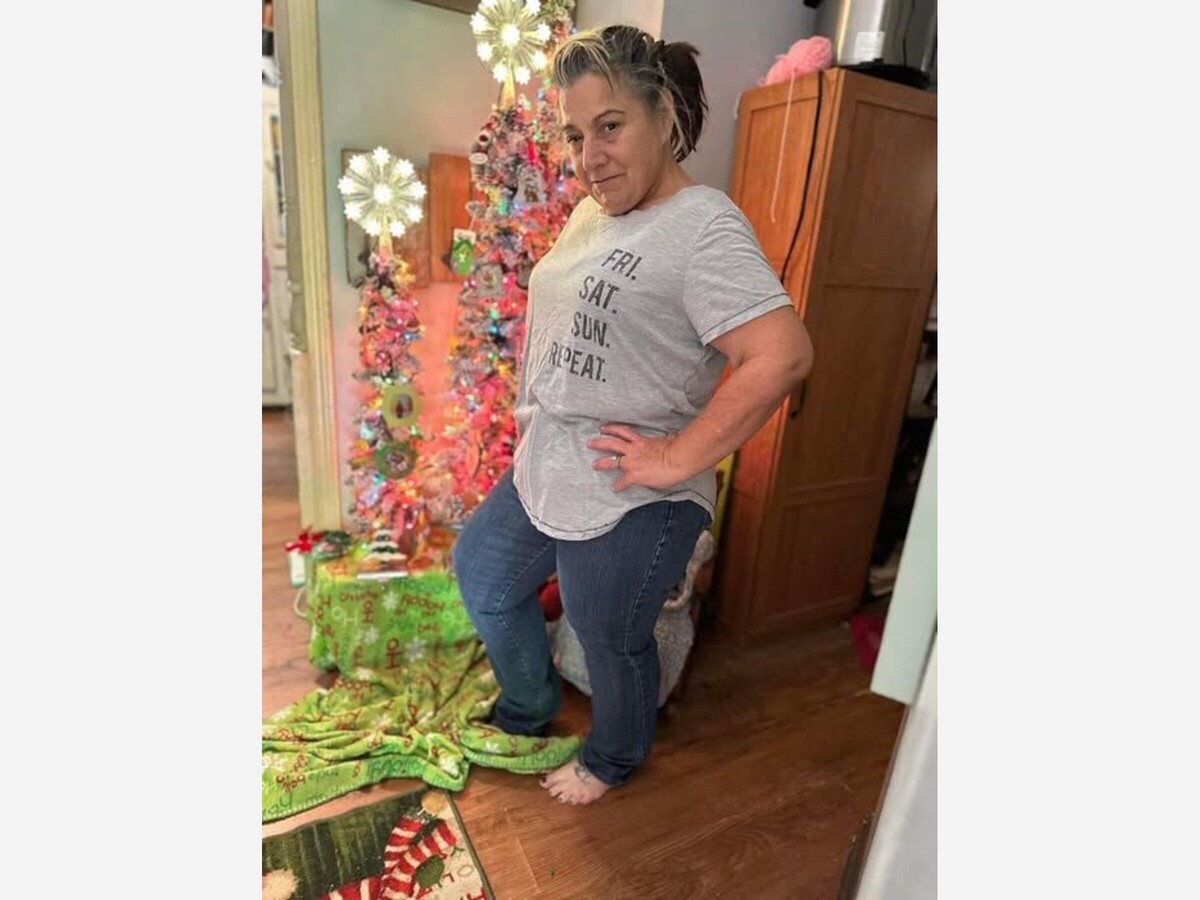



Editor’s Note: With this issue, Between Community News begins a vital, ongoing documentary and story series focusing on addiction, mental health, and the profound impact of the opioid crisis within Walton County and our surrounding communities. We intend to shine a light on the raw realities of these struggles, strip away the stigma that forces people into the shadows, and highlight the paths toward healing. To open this series, our Chief Editor Charles Allen shares an incredibly personal and powerful account written by his wife, Tynsia Allen. Her journey from the streets to a life dedicated to lifting others up serves as a testament to the endurance of the human spirit and the reality of long-term recovery.
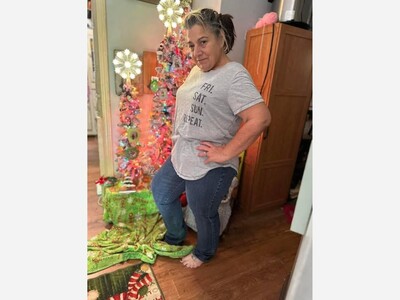
Between GA- Contributing Editor Tynsia Allen
My name is Tynsia, and I am a woman in long‑term recovery. I am also a daughter, a mother, and a wife. For me, long‑term recovery has meant many things over the years, but at its core it means this: since December 11, 1999, I have committed to facing every feeling, every fear, and every truth in my life without covering it with substances — or with the hundreds of other behaviors I once used to avoid myself.
Before recovery, I spent many years living on the streets, doing everything I could to outrun my trauma, my anger, my hurt, and the deep fear I carried of myself and of others. I believed disappearing into the shadows was easier than facing the pain that lived inside me.
But even in those darkest places, God was already planting seeds of hope.
Some of the most memorable moments in my early recovery happened inside the Orange County Jail. It was there that God placed people in my path who went above and beyond for me — people who prayed for me, believed in me, and spent countless hours helping me accept the possibility that healing could unfold in my life. Their compassion cracked open a door I had kept shut for far too long.
Another turning point came from my parents. They began telling me “no.” No, they wouldn’t send money. No, they wouldn’t bail me out. No, I couldn’t see my children until I was ready to make better choices.
But they never ignored my calls. Every time I reached out, they reminded me how deeply they loved me. It was the hardest kind of love — the kind that holds firm so a person can finally stand on their own. In that loneliness, I finally let people “in.” I realized that no one else was responsible for where I was. And if that was true, then I could choose something different.
Even in jail, I discovered something life‑changing: serving others was the key to staying sober. Helping the women around me brought joy I didn’t know I was capable of feeling. It showed me what hope could look like — not as a wish, but as a way of living.
In the beginning, my hope was simple. I hoped to stay sober. I hoped to get a job. I hoped to buy a car. But as the years passed, hope grew into something deeper. Today, hope is not a feeling. It is not dependent on good days or good outcomes. Hope is the peace that lives inside me no matter what life brings.
And life has brought plenty. I could not control the suicides in my family. I could not control the addiction that swept through my bloodline like a hurricane. I could not control the deaths of my parents, the lost jobs, or the chaos that life sometimes delivers without warning.
But I learned that I can control me — my actions, my choices, my response to the world around me. Because of that, I never have to return to the days when sleeping under a bridge was normal. I have learned that I am valuable, capable, trustworthy, and competent. I can walk through life with my head held high.
I do not regret my past, nor do I wish to shut the door on it. Every single thing that has happened shaped me into the woman I am today.
Today, I use my experiences to help others in all stages of life. The inspiration to change my career path was simple: recovery works. And if it worked for me — a woman who once believed she was beyond saving — then I know it can work for others.
Becoming a Certified Peer Support Specialist changed everything. It challenged me, stretched me, and redefined how I could walk alongside others. I learned that the most powerful tool I have is not advice — it is listening. When people are given space to speak their truth, they often find their own answers. My job is to walk beside them, not ahead of them.
Maintaining boundaries is one of my ongoing challenges. I spend time every day tending to my own mental, emotional, spiritual, and physical well‑being. Self‑care is not optional in this work; it is survival. I seek out the things that bring me joy, peace, and rest, and I return to them often.
Recovery is a journey for all of us — anyone who is human, anyone who has ever struggled, anyone who has ever needed a second chance. It can be a treacherous road at times, but here is what I know above all else:
I have a personal relationship with God, and He is bigger than any problem I will ever face. He has a plan for me — a plan that unfolds every time I simply show up. It is not about wise words or special knowledge. It is about presence. It is about walking the path with those who need someone beside them.
I once lived in darkness, but today I walk in hope. And every day, I choose to show up — for myself, for my family, and for the people who are still searching for the light I once thought I’d never find.

Overcast, with a high of 85 and low of 59 degrees. Overcast during the morning,