59° and Clear
Image
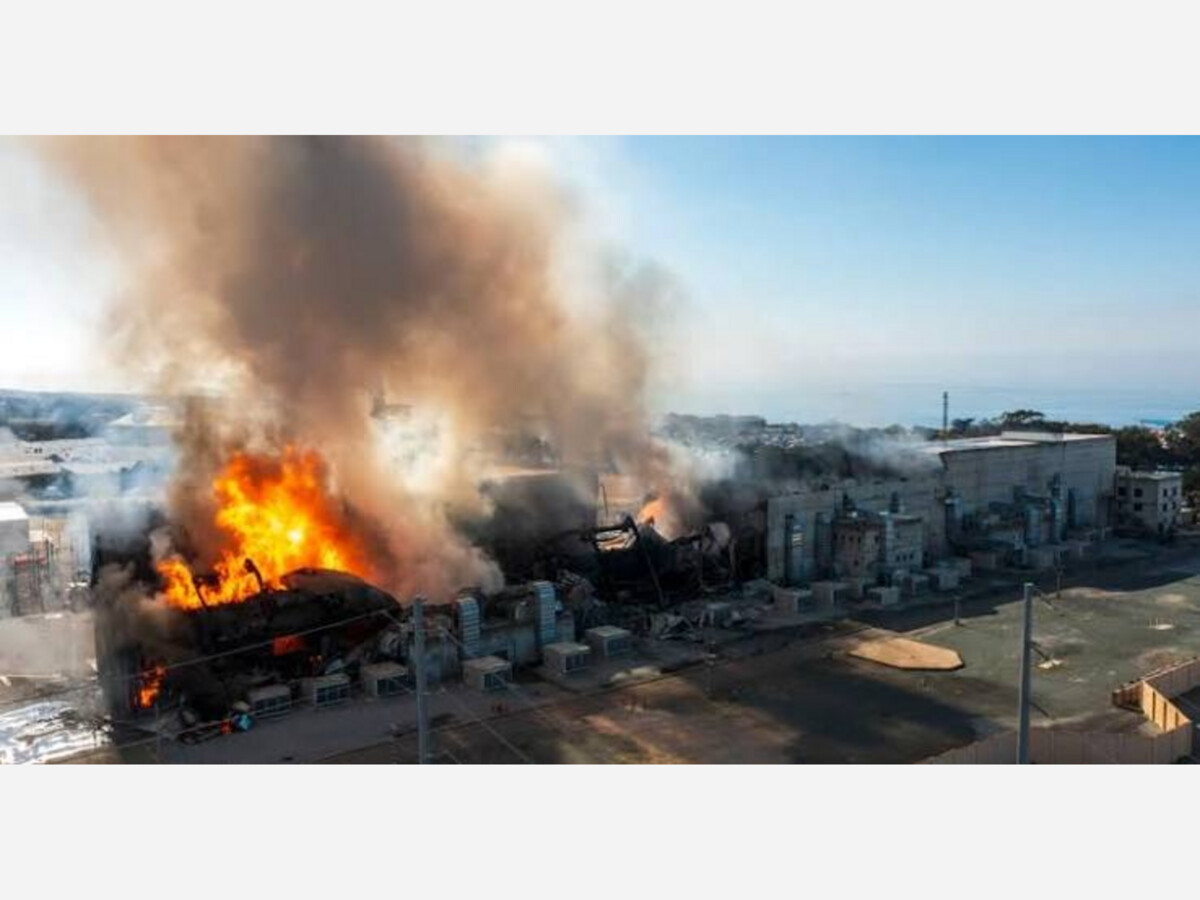



MONROE, GA — Local officials and economic development authorities are celebrating a major announcement this week as South Korea-based energy technology firm DeltaX plans a $141 million investment to build its North American manufacturing headquarters in the Piedmont Regional Industrial Park. The project promises to bring roughly 250 jobs to Walton County, primarily focused on the production and integration of utility-scale battery energy storage systems. While public officials emphasize the economic capital, commercial investment, and job creation, the arrival of a high-density industrial battery facility introduces critical environmental, public safety, and infrastructure questions that remain largely absent from official press releases.
The core technology behind grid-scale energy storage relies on massive concentrations of lithium-ion cells, which present unique industrial hazards that differ sharply from traditional manufacturing operations. The most prominent hazard is thermal runaway, an uncontrolled chemical chain reaction triggered by manufacturing flaws, electrical faults, or mechanical stress. Unlike conventional structural blazes, lithium-ion fires are self-sustaining because decomposing battery cathodes release their own internal oxygen. Smothering agents are largely ineffective, and bringing an active multi-megawatt battery installation or warehouse storage incident under control often requires hundreds of thousands of gallons of continuous water applied over many hours, if not days, simply to cool surrounding equipment and prevent cascading failures.
Beyond the immediate heat and flames, the atmospheric fallout from a catastrophic battery event presents severe public health risks. During thermal runaway and subsequent combustion, commercial lithium-ion cells release dense clouds of toxic and flammable vapors, including hydrogen gas, carbon monoxide, and volatile organic compounds. Crucially, the chemical breakdown of electrolyte salts and fluorinated binders generates hydrogen fluoride gas, a highly corrosive compound capable of causing severe respiratory trauma and chemical burns. In similar industrial storage and assembly fires across the country, emergency management agencies have been forced to institute broad shelter-in-place orders or multi-mile evacuation perimeters to safeguard surrounding neighborhoods and rural communities downwind from toxic chemical plumes.
The environmental footprint extends directly to the ground and local waterways. The vast volumes of water required to suppress a chemical battery fire inevitably mix with heavy metals, dissolved lithium salts, nickel, cobalt particulates, and specialized fluorinated surfactants. Without dedicated high-capacity containment systems and specialized catchment basins designed into the industrial footprint, toxic runoff poses a significant risk of entering regional drainage ditches, municipal stormwater networks, and surrounding tributaries across Walton County. A single major containment breach during an emergency response could lead to soil contamination and long-term remediation challenges for local watersheds.
Day-to-day operations at a large-scale battery assembly campus also carry routine environmental and logistical responsibilities that warrant public scrutiny. Even under optimal conditions, battery manufacturing and integration generate a steady stream of rejected, damaged, or defective cells that fail quality assurance testing. These unstable cells represent hazardous materials that require certified blast-resistant quarantine enclosures, climate-controlled staging areas, and specialized transport logistics to distant end-of-life recycling facilities. Furthermore, the handling of volatile solvents and organic electrolytes demands continuous air quality monitoring, industrial vapor recovery systems, and strict enforcement of state and federal environmental protection mandates.
The introduction of an industrial-scale battery manufacturing facility places an extraordinary demand on municipal emergency services. Rural and suburban public safety departments are rarely equipped or staffed for utility-scale chemical battery events without extensive capital investment. Walton County and City of Monroe first responders will require specialized hazardous materials training, continuous air-monitoring equipment, and advanced thermal imaging technology to operate safely around high-voltage, chemically unstable battery assemblies. As development plans advance, local property owners, emergency services, and community leaders must look beyond the initial headline figures and demand full transparency regarding fire containment engineering, air quality safeguards, and clear disaster response protocols before high-density battery manufacturing goes live in our backyard

Sunny, with a high of 71 and low of 47 degrees. Sunny in the morning, clear in the afternoon and evening,